Dental Emergency Plano TX for Swollen Jaw and Facial Pain
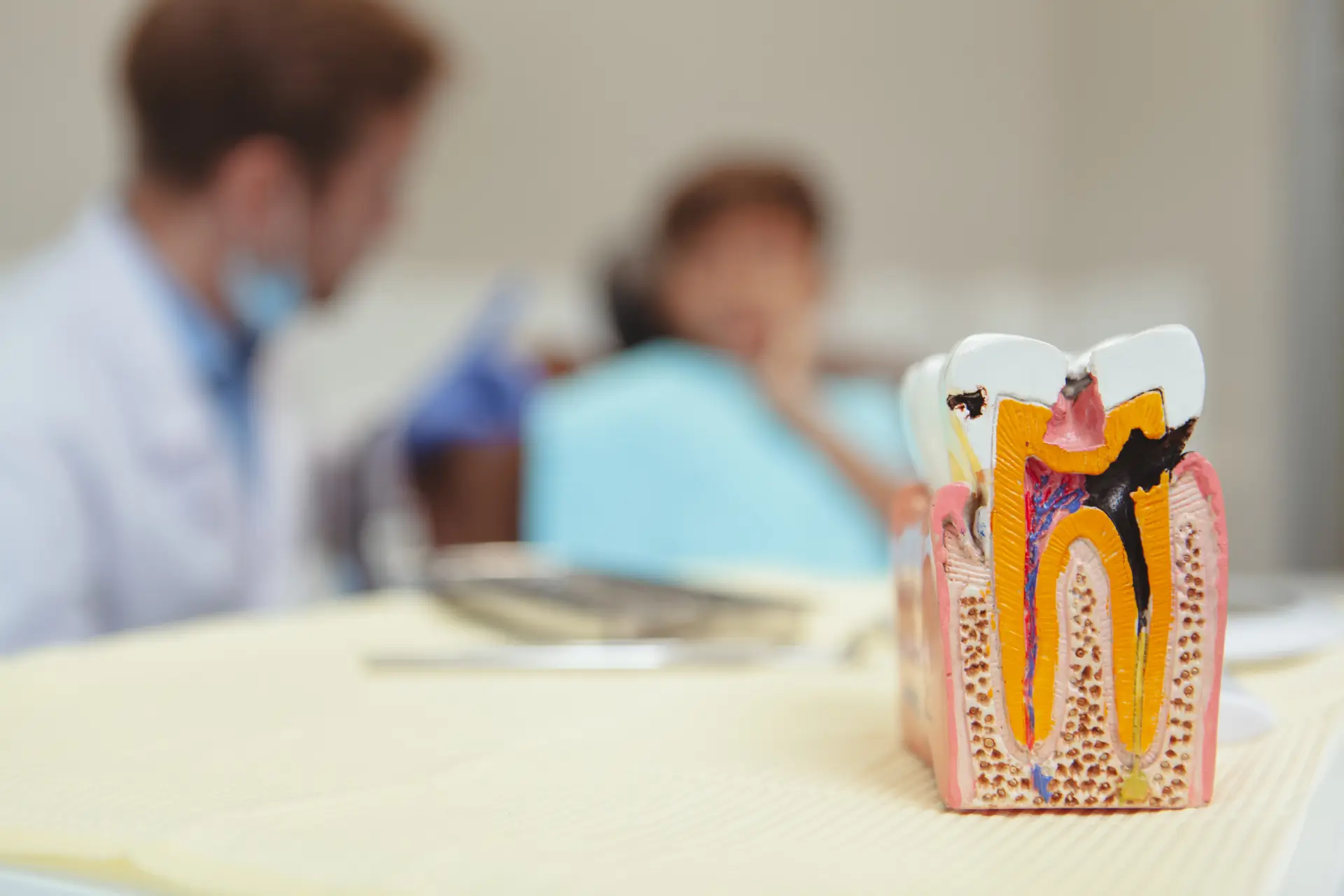
A swollen jaw with facial pain has a way of changing the day fast. What starts as a dull ache in the back tooth can become a puffy cheek by afternoon, then sharp pressure near the ear by evening. Eating hurts. Talking feels awkward. Sleep becomes difficult. For many people, the bigger problem is not only the pain, but the uncertainty. They do not know whether they are dealing with a cavity, a tooth infection, a gum problem, a cracked tooth, or something more serious.
When patients call about a Dental Emergency Plano TX visit for jaw swelling, the timing matters. Swelling in the mouth or face is not something to watch casually for several days, especially when pain is increasing, the area feels hot or firm, or it hurts to open the mouth. In practice, swelling often means inflammation, infection, or both. Sometimes the source is obvious, such as a broken molar or a recently neglected cavity. Other times, the cause hides below the gumline or deep around the root.
The right response is not panic, but urgency. A swollen jaw and facial pain deserve prompt evaluation because dental infections can spread, pain can escalate quickly, and treatment tends to be simpler when started early.
Why jaw swelling from a dental problem should be taken seriously
There is a common belief that if the pain comes and goes, the problem is improving. With dental infections, that is not always true. A tooth can become badly infected after the nerve has already started dying. In fact, some of the most concerning cases are not dramatic at first. A patient may say, “It only hurt when I bit down last week, and now my cheek looks larger.”
Swelling usually means fluid has built up in the tissues. That may be from an abscess near the root of a tooth, an infection in the gums, irritation around a wisdom tooth, or inflammation after trauma. The body is signaling that something is wrong and that the surrounding tissue is reacting. Once facial swelling appears, the problem has moved beyond a small, quiet cavity.
This matters because the mouth is not isolated from the rest of the body. Infections in the jaw can track into nearby spaces in the face and neck. Most cases are still manageable when treated promptly, but delay increases risk, discomfort, and cost. A problem that might have been handled with a root canal or extraction can turn into a more complicated emergency if infection spreads.
The dental causes most often behind a swollen jaw
In a busy emergency dental setting, several patterns show up again and again. The most common is a tooth abscess. This usually starts with decay, deep fracture, or a failing old filling that lets bacteria reach the pulp, where the nerve and blood supply live. Once infection develops inside the tooth, pressure builds and the surrounding bone and tissue react. Patients often describe throbbing pain, a tooth that feels too tall when biting, and swelling that seems worse in the morning or late at night.
Another frequent cause is advanced gum disease or a localized periodontal abscess. This tends to happen when bacteria collect in a deep pocket beside the tooth. The swelling may appear more in the gum than in the cheek at first, but it can spread. These cases often have tenderness, bad taste, and sometimes drainage.
Wisdom teeth are a regular source of trouble, especially lower wisdom teeth that are partially erupted. Food and bacteria get trapped under the gum flap, causing inflammation or infection around the tooth. Patients may notice pain at the back of the jaw, trouble chewing, and stiffness when opening wide. It can feel like an earache or pain along the side of the face.
A cracked tooth can also trigger swelling. Cracks are easy to underestimate because some are invisible without imaging and a careful exam. Someone may say they bit on a popcorn kernel or hard candy weeks ago, then developed pain with chewing that gradually turned into swelling. In those cases, the crack becomes an entry point for bacteria.
Less commonly, facial pain and swelling may come from a non-dental issue, such as a salivary gland problem, sinus infection, trauma, or a skin infection. That is one reason a proper exam matters. Not every cheek swelling originates from a tooth, but many do.
What symptoms suggest a true dental emergency
Pain alone can wait a short time in some situations. Swelling changes the picture. When swelling is paired with certain symptoms, same-day care is the right move.
Here are the signs that should push you to seek urgent evaluation:
- Rapidly increasing swelling in the gums, jaw, or cheek
- Fever, chills, or feeling generally unwell
- Trouble swallowing, breathing, or opening the mouth normally
- Severe pain that is not relieved by standard over-the-counter medication
- Bad taste, pus drainage, or a tooth that feels loose or raised
If breathing or swallowing is affected, that is no longer a routine dental issue. It may require emergency medical care immediately. Dentists manage many infections, but airway concerns belong at the front of the line.
What to do at home before you are seen
Home care does not cure the underlying problem, but it can reduce discomfort and help prevent the area from being irritated further while you arrange treatment. The key is to avoid the common mistakes that make swelling worse.
A cold compress on the outside of the face can help with pain and swelling, especially in the first stages. Gentle warm saltwater rinses can soothe the mouth and help keep the area clean, though the rinse should never be vigorous if tissues are very tender. Soft foods are usually better tolerated than anything crunchy, spicy, or extremely hot. Many adults can use over-the-counter pain relief as directed on the label, provided they do not have a medical reason to avoid it.
What should be avoided is just as important. Do not place aspirin directly on the gum, which can burn tissue. Do not press on the swollen area trying to “drain” it. Do not use leftover antibiotics from a prior illness, https://charlieoztp923.quillnesty.com/posts/dental-emergency-plano-tx-advice-for-knocked-out-teeth and do not assume that if the swelling bursts and drains, the problem is solved. Drainage may temporarily lower pressure, but the source remains.
What happens during an emergency dental visit in Plano
People often expect a quick look and a prescription. A good emergency visit is more deliberate than that, because the goal is to identify the source, gauge the severity, and decide what treatment will actually stop the problem.
The appointment usually starts with a focused history. The dentist will ask when the pain started, whether swelling is growing, whether hot or cold trigger symptoms, whether biting hurts, and whether fever or drainage is present. Recent dental work matters. So do medical conditions, current medications, allergies, and pregnancy status.
Next comes the exam. The dentist checks the teeth, gums, bite, soft tissues, facial symmetry, and jaw movement. Tapping certain teeth, applying cold, or probing the gums can reveal whether the problem is pulpal, periodontal, or related to a crack. Dental X-rays are often necessary. A standard two-dimensional image may show decay, bone loss, or an abscess near the root. Sometimes a more advanced image is needed when the source is unclear or the swelling pattern raises concern.
Treatment depends on what the exam shows. If the tooth can be saved, root canal therapy may be recommended to remove infected tissue inside the tooth. If the tooth is too damaged, extraction may be the safer route. If the issue is a gum abscess, cleaning, drainage, and periodontal treatment may be needed. When a partially erupted wisdom tooth is the source, the immediate step may be controlling the acute infection and planning removal.
Antibiotics are useful in some cases, but they are not a substitute for dental treatment. This point cannot be overstated. An abscessed tooth usually needs the source addressed directly. Antibiotics may help reduce spread and calm the infection, especially when swelling is present, but without definitive care the problem often returns, sometimes worse than before.
The judgment call between saving a tooth and removing it
This is where experience matters. Not every painful swollen tooth should automatically be pulled, and not every tooth is worth saving at any cost. The decision depends on several factors: the extent of decay, the amount of remaining tooth structure, the quality of the surrounding bone and gum support, the presence of cracks below the gumline, the patient’s overall health, and the likely long-term outcome.
Take a lower molar with a large old filling, severe pain, and swelling near the jawline. If imaging shows infection at the roots but the tooth is structurally restorable, root canal treatment followed by a strong final crown may preserve function for years. That is often worth doing, especially for a chewing tooth that supports the bite.
Now picture a similar tooth with decay extending far below the gum, a vertical crack, and poor periodontal support. In that case, trying to save it can become expensive and frustrating, with a weak prognosis from the start. Extraction may be the more honest recommendation. The best emergency dentists are direct about this. They do not sell hope where the biology is working against it.
Why facial pain is not always where the bad tooth is
One reason dental emergencies confuse people is referred pain. The tooth causing the trouble may not be the place that feels most dramatic. Upper molars can create pain that feels like it is under the eye or in the sinus. Lower back teeth can produce aching along the jaw, ear, or temple. Patients occasionally point to one side of the face while the source turns out to be a different tooth nearby.
Swelling can also distort the picture. A small infection around a lower molar can cause noticeable puffiness in the cheek or under the jaw. By the time facial contours change, it becomes easy to think the problem started in the cheek itself rather than inside the mouth. This is another reason a self-diagnosis based on where it hurts can be misleading.
Children, older adults, and medically complex patients need special attention
Not every dental emergency looks the same across age groups. Children may have swelling from a badly decayed baby tooth, trauma, or eruption-related issues. Because kids do not always describe pain clearly, parents often first notice that one side of the face looks larger or that the child refuses to chew. A sleepy child with swelling and fever deserves prompt evaluation.
Older adults can present differently. Some have reduced pain response because of nerve changes, medications, or prior dental work. They may report pressure rather than sharp pain, even with significant infection. Dentures, dry mouth, extensive restorations, and chronic illnesses can also complicate diagnosis and treatment.
Patients with diabetes, immune system disorders, recent cancer treatment, or certain heart conditions should be especially careful with dental swelling. Infections may progress faster or healing may be slower. Those details shape both the urgency and the treatment plan.
How timing affects cost, options, and recovery
Many people wait because they are hoping to avoid a major bill. Ironically, delay often narrows choices and increases cost. A simple filling is cheaper than a root canal. A manageable root canal and crown are often less disruptive than extraction plus replacement later. Early periodontal treatment is easier than treating advanced infection after bone loss progresses.
Recovery is usually smoother when the problem is caught early too. Patients seen at the first sign of swelling often have less tissue involvement, less post-procedure soreness, and fewer appointments overall. Once swelling becomes firm, widespread, or associated with fever, the body has more inflammation to unwind even after the source is treated.
What patients in Plano often want to know first
The practical questions tend to be the same in every office. Can I be seen today? Will it hurt? Do I need antibiotics? Can the tooth be saved? How long will I be swollen? Those are reasonable questions, and the answers depend on the specifics.
Same-day emergency slots are common in practices that regularly handle urgent dental care, though availability varies by day and time. During the visit, the priority is usually to get the pain under control, identify the cause, and begin the most appropriate treatment. Sometimes definitive care can be done immediately. Other times, especially with significant swelling, the first visit focuses on stabilizing the situation before a follow-up procedure.
As for discomfort, modern local anesthetics work well, but very inflamed tissues can be harder to numb completely. An experienced clinician knows how to work around that with technique, patience, and realistic communication. Patients often do better than they feared once the pressure starts to come down.
Finding the right emergency dental care when swelling is involved
Not every office is set up the same way. For routine toothaches, many general practices can help. With obvious swelling and facial pain, it helps to ask direct questions when calling. You want to know whether the office sees same-day emergencies, whether they treat infections and abscesses, whether imaging is available on site, and whether they can perform procedures like extractions or emergency root canal treatment if needed.
A strong Dental Emergency Plano TX office should be able to triage you over the phone with sensible questions. The staff may ask about fever, difficulty swallowing, trouble breathing, and whether the swelling is spreading. Those are not casual intake questions. They help determine whether you need to come in urgently, whether you may need medical evaluation first, or whether the office can safely manage the case.
A useful way to think about choosing care is this:
- If swelling is small and localized, call a dentist for the earliest available urgent visit
- If swelling is increasing or paired with significant pain, seek same-day dental evaluation
- If swallowing or breathing is affected, go to emergency medical care immediately
- If you were given antibiotics but no dental treatment, arrange definitive follow-up without delay
- If symptoms improved then returned, assume the source still needs treatment
That last point catches people off guard. Temporary improvement does not mean cure. It usually means the infection quieted for a while.
The role of antibiotics, and the limits people should understand
There is a persistent myth that antibiotics fix tooth infections the way they fix some sinus or skin infections. They do not, at least not by themselves. A tooth with an infected pulp is a structural problem. Dead or infected tissue inside the tooth does not recover because a pill was taken for five days. If the pressure drains and the bacterial load drops, symptoms may ease. But unless the dentist removes the source through root canal treatment, extraction, or another appropriate procedure, relapse is common.
This does not make antibiotics unimportant. They can be very appropriate when swelling has spread, when systemic symptoms are present, or when a procedure needs support because the infection extends beyond the tooth. The point is balance. Good care uses antibiotics when indicated and does not treat them as a stand-in for the actual fix.
After treatment, what recovery usually looks like
Most people feel relief once the source of pressure is addressed, even if some soreness remains. If a tooth is drained, treated, or removed, the intense throbbing often decreases first. Swelling may take a day or several days to settle, depending on how severe it was before care began. Mild bruised or tight tissue sensation is not unusual. Being able to sleep and chew a bit better is often the first sign that healing is underway.
Patients are usually advised to keep the area clean, stick with softer foods briefly, stay hydrated, and follow medication instructions carefully. Follow-up matters. Emergency treatment is sometimes the first phase, not the last. A temporary opening procedure may need completion later. An extracted tooth may require planning for replacement. A gum infection may need deeper periodontal therapy once the acute stage resolves.
The bigger lesson behind a swollen jaw
A swollen jaw is rarely random. Most of the time, it is the visible end of a problem that has been building quietly, whether through decay, a hidden fracture, periodontal disease, or an impacted tooth. Facial pain is the body’s blunt way of forcing attention to something that should not be ignored.
For anyone searching for Dental Emergency Plano TX care because of swelling and facial pain, the safest approach is to treat the situation as time-sensitive, not merely inconvenient. Prompt evaluation protects more than comfort. It protects treatment options, reduces the chance of complications, and often makes the road back much shorter.
If the swelling is growing, the pain is strong, or the face looks different than it did yesterday, waiting for it to “calm down on its own” is a gamble. Some dental problems stay quiet. A swollen jaw usually is not one of them.
Vitality Dental
Address: 1220 Coit Rd #106, Plano, TX 75075
Phone number: +19726454100
FAQ About Dental Emergency Plano TX
What can the ER do for a tooth?
An emergency room (ER) can manage pain and treat severe infections with medication, but it cannot fix or pull a tooth.
What is considered a dental emergency?
A dental emergency is any oral health problem that involves severe pain, uncontrollable bleeding, or an infection that threatens your health or requires immediate care to save a tooth.
Is there a 24-hour dental service in Plano, TX?
There is no physical dental clinic in Plano, Texas, that stays open with walk-in staff 24 hours a day, but several offices offer 24/7 phone support, late-night hours, or same-day emergency care.