Emergency Dentist Options for Unbearable Cold Sensitivity


A sharp zing when you sip ice water is common. Pain that makes you set the glass down, grab your face, and brace yourself for the next wave is not. When cold sensitivity becomes severe, especially if it starts suddenly or lingers after the cold stimulus is gone, it moves out of the nuisance category and into urgent dental territory.
People often delay care because they assume sensitivity is something to manage with toothpaste and patience. That is sometimes true for mild cases. It is not true when the pain is intense, wakes you up, spreads into the jaw or ear, or appears alongside swelling, a broken tooth, or a recent filling that never settled down. At that point, an Emergency Dentist may be the right call, not because every sensitive tooth is dangerous, but because severe cold pain can signal a problem that tends to worsen rather than fade.
Cold sensitivity sits at an awkward crossroads. It can come from a small, fixable issue like exposed root surface, or from a deeper infection that may need root canal treatment or extraction. The challenge is that patients cannot reliably tell the difference at home. The details matter: how long the pain lasts, whether heat also hurts, whether biting triggers it, whether the tooth looks cracked, and whether the gumline is receding. Those clues help a dentist sort a straightforward sensitivity problem from an emergency.
When cold sensitivity becomes an emergency
A useful rule in practice is this: brief discomfort that fades within a few seconds is usually less urgent than pain that lingers. If cold hits a tooth and the ache hangs on for 10, 20, or 30 seconds, or longer, that often points to inflammation inside the tooth. If that inflammation becomes irreversible, the nerve may not recover on its own.
Another red flag is pain that seems out of proportion to the trigger. I have seen patients stop drinking anything but room-temperature water for days because one sip of something cold felt like an electric shock. Some had a new cavity under an old filling. Others had a cracked cusp, deep gum recession, or pulpitis after dental work. The symptom was the same, but the treatment path was very different.
Timing also matters. Sensitivity after a whitening treatment or a recent filling can happen, and many of those cases settle within a few days to a couple of weeks. But when the pain is escalating rather than easing, or when the tooth becomes sensitive to both cold and pressure, the threshold for urgent evaluation drops. A tooth does not need to be visibly damaged to be in trouble.
What an Emergency Dentist is looking for
The first task is not simply to “stop sensitivity.” It is to identify the source accurately enough to choose the right treatment that day. A good emergency dental visit for cold sensitivity usually involves a history, a visual exam, percussion and bite testing, gum measurements where relevant, and one or more X-rays. Cold testing on the tooth itself often helps determine whether the nerve is mildly irritated, severely inflamed, or no longer responding in a normal way.
Dentists think in patterns. If cold causes quick pain that disappears, the issue may be exposed dentin, a worn filling margin, or early decay. If cold causes a deep ache that lingers, the nerve may be inflamed beyond recovery. If biting hurts on release, a crack becomes more likely. If the gum is swollen or there is a pimple on the tissue, infection climbs higher on the list. If pain started after a large filling, the pulp may be irritated by the procedure or by the depth of the decay that required it.
That diagnostic step is why home remedies can only take you so far. You can numb sensation temporarily, but you cannot tell from the bathroom mirror whether a tooth needs desensitizing treatment, a filling replacement, gum therapy, root canal treatment, or removal.
The most common emergency treatment options
Not every office can complete every procedure the same day, but most Emergency Dentist appointments for severe cold sensitivity aim to do two things: reduce pain quickly and prevent the problem from escalating over the next several days. The treatment depends on the cause.
Desensitizing treatment for exposed root surfaces
If the tooth structure near the gumline is exposed and the nerve is otherwise healthy, the solution may be surprisingly simple. Dentists can apply in-office desensitizing agents, fluoride varnish, resin sealers, or bonding material over the sensitive area. This is common in patients with gum recession, aggressive brushing habits, clenching, or acidic wear.
These cases often respond well when the pain is sharp but brief, especially if there is no cavity and no lingering ache. Relief may be immediate or may build over a few days. The trade-off is that if the underlying brushing technique, grinding, or recession is not addressed, the symptom often returns.
Filling a cavity or replacing a leaking filling
Cold sensitivity from decay is extremely common. A small cavity near the enamel can feel minor, but once decay reaches dentin, the tooth often reacts strongly to temperature. An old filling that has opened slightly at the margin can create the same effect by allowing fluid movement and bacterial seepage.
When the nerve is still recoverable, removing the decay and sealing the tooth with a filling can solve the problem. Sometimes the emergency visit handles this completely. Sometimes the dentist places a temporary restoration first, particularly if the tooth is very irritated and https://lanekfyu864.opalvector.com/posts/emergency-dentist-help-for-sudden-gum-boils-and-infections they want to reassess symptoms before committing to a final material or crown plan.
Protecting or stabilizing a cracked tooth
Cracks are notorious for causing pain that is hard to describe. Patients often say, “It only hurts sometimes,” or “Cold gets it, but I cannot tell which tooth.” A crack may be invisible without magnification or bite testing. If the crack is limited, stabilizing the tooth with a bonded restoration or a crown can make a dramatic difference. If the crack extends into the nerve or below the gumline, the outlook changes and treatment may involve root canal therapy or extraction.
Cracked teeth are one reason to take severe cold sensitivity seriously, especially in adults who clench, chew ice, or have large old fillings. The symptom can flicker for weeks before becoming constant.
Root canal treatment when the nerve will not recover
When cold causes lingering pain, spontaneous aching, or pain severe enough to disrupt sleep, root canal treatment often enters the conversation. This sounds intimidating to patients, but the practical goal is straightforward: remove inflamed or infected nerve tissue, clean the canals, and seal the tooth so the source of pain is gone.
In many emergency settings, the dentist may begin the root canal that day to relieve pain, then complete it later or refer to an endodontist depending on the tooth, the complexity, and office scheduling. If the tooth is restorable, this is often the most predictable way to stop unbearable temperature sensitivity tied to pulp inflammation.
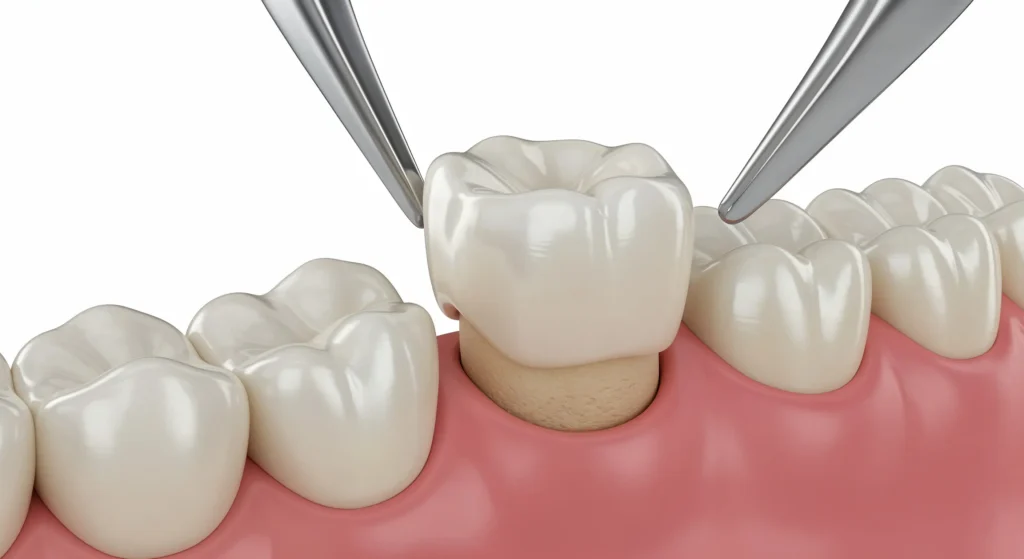
Extraction when the tooth cannot be predictably saved
Some teeth arrive too late, usually because decay is extensive, the crack is deep, the infection is advanced, or the remaining structure is too weak. In those cases, extraction may be the best emergency option. That decision is rarely based on sensitivity alone. It usually reflects a bigger picture of prognosis, cost, time, and the patient’s long-term restorative plan.
Extraction solves the acute pain source, but it creates a new decision about replacement. That might mean an implant, bridge, or removable option later. A thoughtful Emergency Dentist will usually discuss those downstream consequences before proceeding, unless the infection or pain is so acute that immediate removal is the only reasonable path.
What can be done the same day, and what may need a second visit
Patients often hope for a one-visit fix. Sometimes that happens. A desensitizer, bonded seal, or straightforward filling may fully address the problem in a single appointment. A root canal on a front tooth may also be completed the same day in some offices. Molars, complex cracks, and deep infections are less predictable.
In real practice, emergency dentistry often works in stages. The first visit calms the situation. That may mean placing a sedative filling, adjusting the bite, starting a root canal, draining an abscess, prescribing medication when appropriate, or taking the tooth out. The final restoration, crown, or specialist treatment may follow later. Patients sometimes misunderstand this and feel disappointed when the first visit is not the whole story. It is better to think of urgent dental care as stabilizing the problem safely, then finishing the job in the proper sequence.
The role of pain relief before you are seen
People in severe pain need practical advice, not vague reassurance. There are a few sensible steps that can reduce suffering while you arrange care, though none replaces treatment of the cause.
- Avoid cold drinks, ice, and cold air on the tooth. Room-temperature water is usually better tolerated.
- Use a soft toothbrush and brush gently, especially near the gumline.
- If you normally take over-the-counter pain medication safely, common options like ibuprofen or acetaminophen may help, following the label and your physician’s advice.
- Cover a sharp or broken area temporarily with sugar-free gum or dental wax if available.
- Do not place aspirin on the tooth or gum, it can burn the tissue and does not fix the pain source.
It is worth noting what not to expect from home measures. Desensitizing toothpaste can help mild sensitivity over days or weeks, but it is not a reliable answer for unbearable pain. Clove oil, numbing gels, and online “hacks” may blunt symptoms briefly, yet they can also irritate tissue or delay real care. Once the tooth is sending strong pain signals to cold, your goal should be evaluation, not experimentation.
Signs that you should seek urgent care now, not next week
Cold sensitivity sometimes gives enough warning that patients can book a regular appointment. At other times, waiting is a bad bet. Certain patterns suggest the problem could deteriorate quickly.
- Pain lingers after cold is removed, especially if episodes are getting longer or stronger.
- The tooth also hurts when biting, or you suspect a crack or lost filling.
- There is swelling of the gum, face, or jaw, or a bad taste suggesting drainage.
- The pain wakes you up, radiates, or becomes spontaneous without any cold trigger.
- You have fever, trouble opening your mouth, or feel generally unwell along with the tooth pain.
Those signs do not always mean a serious infection, but they raise the stakes enough that same-day or next-day assessment is appropriate.
Why cold sensitivity can be worse at night
Many patients report that the pain intensifies after dinner or once they lie down. Part of this is timing. Even mild triggers from the day, cold drinks, sweets, chewing, can leave an inflamed pulp more reactive by evening. There is also less distraction at night. A tooth that was manageable during work becomes impossible in a quiet bedroom.
When lying down increases throbbing, pressure changes in inflamed tissue may contribute. This does not diagnose anything on its own, but in combination with lingering cold pain, it often points toward pulpal inflammation rather than simple exposed dentin. Night pain is one of those details dentists pay attention to because it helps separate reversible irritation from a tooth that is crossing into root canal territory.
Children, teenagers, and cold sensitivity emergencies
Severe cold sensitivity in children deserves careful handling because the causes can differ. Cavities are still common, but recently erupted teeth can be sensitive, and trauma matters more than many parents realize. A child who bumped a front tooth weeks ago may later develop temperature pain. Orthodontic treatment can add another layer, since movement, hygiene challenges, and decalcification around braces can all complicate the picture.
A child with persistent cold sensitivity should not be told to “wait and see” for too long, especially if they stop chewing on one side or wake at night. Pediatric dentists often move quickly because younger patients can shift from manageable discomfort to panic in a short time, and early intervention may preserve a tooth more easily.
What if the tooth only hurts with cold, not heat?
This is a common question and a useful nuance. Early or moderate pulp inflammation often shows up with cold first. Heat sensitivity tends to appear later in some cases, especially when infection advances or gas pressure builds inside the tooth. So the absence of heat pain does not mean the problem is minor. Many teeth that ultimately need root canal treatment start as “cold only” teeth.
The duration of pain after cold is usually more revealing than whether heat hurts. A quick sting that resolves is one category. A wave of pain that keeps going after the sip is gone is another. That is why dentists ask patients to describe the timeline as precisely as possible.
Insurance, cost, and access to emergency dental care
Cost influences decisions, and pretending otherwise does not help patients. Emergency exams and X-rays are usually more affordable than people fear, while definitive treatment varies widely depending on the diagnosis. A desensitizing application or small filling sits at one end of the spectrum. Root canal treatment, crowns, and extractions with replacement planning sit at the other.
If cost is a concern, tell the office when you call. Many practices can at least provide a focused emergency exam, pain relief planning, and a clear explanation of priorities. In a fair number of cases, the first essential step is diagnosis, not the most expensive treatment that might eventually be needed. A patient with a cracked filling may expect a root canal bill and instead need a modest repair. Another may hope for a simple filling and learn that a crown or endodontic treatment is the wiser long-term choice. The exam narrows guesswork.
Access also matters. If your usual dentist cannot see you promptly, this is where an Emergency Dentist has real value. These offices are set up to triage urgent symptoms, identify red flags quickly, and start appropriate treatment. They are especially useful on weekends, during travel, or after a sudden flare-up from a problem that had been simmering quietly.
Questions worth asking during the appointment
Patients often leave emergency visits remembering only half of what was said because they were in pain and under stress. A few focused questions can make the next steps clearer. Ask what the most likely cause is, whether the nerve appears recoverable, what can be done today, what symptoms would mean things are worsening, and whether a permanent restoration or specialist follow-up is expected. That short conversation often prevents confusion later.
It also helps to ask about the prognosis of doing the minimal emergency fix versus full treatment. Sometimes a temporary measure is perfectly reasonable. Other times it is simply buying a little time before a more definitive procedure becomes unavoidable. Knowing which situation you are in makes better decisions possible.
The cases that fool people most often
The most misleading cases are not always the dramatic ones. A tiny crack can produce startling cold pain with almost no visible damage. A large cavity can hide under an old filling that looked “fine” from the outside. Gum recession can make a tooth feel alarming even though the nerve is healthy. Sinus pressure can also mimic upper tooth sensitivity, particularly in the back teeth, though true cold-triggered pain that can be isolated to one tooth still deserves dental evaluation.
Another common trap is assuming the painful tooth is the right tooth. Nerves refer pain. A lower molar can make a patient point to the upper jaw, and a cracked tooth can send sensation along the arch. This is another reason self-diagnosis fails so often in dental pain.
Preventing the next emergency
Once the immediate crisis passes, prevention becomes much more specific than “brush and floss better.” If recession caused the pain, technique, brush stiffness, grinding protection, and acid exposure need review. If decay was the culprit, the issue may be diet frequency, dry mouth, missed recall visits, or failing restorations. If a crack was found, habits like chewing ice, hard candies, or using teeth as tools need to stop. Prevention only works when it matches the cause.
For patients prone to sensitivity, one practical step is to keep a symptom log for a week or two after treatment. Note what triggers pain, how long it lasts, and whether it is improving. That kind of detail is far more useful at follow-up than saying the tooth feels “sort of better.” Dentists make better calls when patients give a clearer timeline.
The bottom line when cold sensitivity feels unbearable
There is a big difference between a fleeting twinge and a tooth that dominates your day. Severe cold sensitivity can point to exposed dentin, a cavity, a failing filling, a crack, nerve inflammation, or infection. Some of those problems are simple to treat. Some are time-sensitive. The difficulty is that the symptoms overlap enough that guessing can cost you both comfort and tooth structure.
If the pain is intense, lingering, worsening, or paired with swelling, biting pain, or a broken tooth, do not wait for it to “declare itself.” That process is often the damage getting deeper. An Emergency Dentist can sort out the cause, reduce pain, and decide whether you need a protective seal, a filling, a crack-focused repair, root canal treatment, or extraction. When cold sensitivity becomes unbearable, fast assessment is not overreacting. It is often the smartest way to preserve options.
Simple Dental South Gate
Address: 8617 California Ave, South Gate, CA 90280
Phone number: +13236896118
FAQ About Emergency Dentist Southgate CA
What can the ER do for a tooth?
The emergency room can provide temporary symptom relief for a bad tooth, such as prescribing pain medicine or antibiotics, but it cannot fix the actual dental problem.
What is the 3-3-3 rule for tooth infection?
The 3-3-3 rule for a toothache or infection typically means taking three 200 mg ibuprofen tablets (600 mg total) three times a day for no more than three days to control pain and swelling while waiting to see a dentist.
What do you do if you have a dental emergency but no dentist?
If you have a dental emergency and no regular dentist, you should search for an urgent care dental clinic, call local walk-in dental offices, or go to a hospital emergency room if you have severe bleeding, swelling, or trouble breathing.