Invisalign and Coffee: Can You Still Enjoy Your Daily Cup?
For a lot of adults starting Invisalign, the first practical question is not about attachments, chewies, or refinement trays. It is coffee. Morning coffee, afternoon coffee, the paper cup on the commute, the espresso after lunch, the iced latte that somehow turns into a daily ritual. If coffee is part of your routine, the idea of removing aligners every time you take a sip can feel like a bigger adjustment than the trays themselves.
The short answer is yes, you can still enjoy coffee while wearing Invisalign. The longer and more useful answer is that how you drink it, when you drink it, and whether your trays are in your mouth during that process all matter. This is one of those areas where the official guidance is simple, but real life gets a little messy. Patients want something more practical than “just take them out.” They want to know what actually happens if they do not, how strict they need to be, and what habits make treatment smoother without making daily life miserable.
That is where a little context helps.
Why coffee becomes an issue with clear aligners
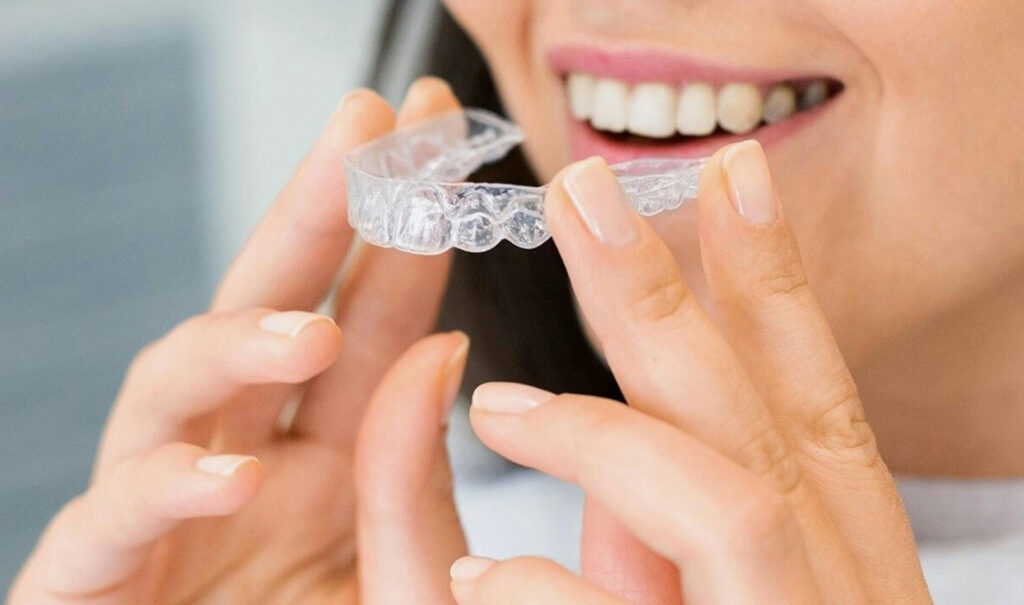
Invisalign trays are made from a clear plastic designed to fit tightly over your teeth and move them in very controlled increments. That snug fit is part of what makes the system work well. It is also the reason coffee creates problems that braces do not.
When you drink coffee with aligners in place, two things can happen at once. First, the trays can stain. Clear plastic is not perfectly stain proof, and coffee is one of the most common culprits for yellow or brown discoloration. Second, warm liquid can sit between the aligner and your teeth for longer than you might expect. That creates a less than ideal environment, especially if your coffee contains sugar, syrup, milk, or flavored creamer.
There is also the heat question. Invisalign trays are durable, but they are still plastic. Very hot drinks can potentially warp them, especially if exposure is repeated or prolonged. In practice, one lukewarm sip is not likely to ruin a tray on the spot. A habit of drinking hot coffee slowly over 30 or 40 minutes with the trays seated tightly against your teeth is a different story.
Patients often assume the main problem is staining, because that is the part they can see. Clinically, the bigger concern is usually what gets trapped underneath. Black coffee is less risky than a sweet vanilla latte, but even plain coffee is acidic. If you combine acidity, heat, and a tray acting like a cover over the teeth, that is not a combination most dentists or orthodontists love.
The safest answer: remove your aligners for coffee
If you want the cleanest, simplest rule, it is this: take your aligners out before drinking coffee, then put them back in after you finish and, ideally, after rinsing your mouth.
That recommendation protects the trays from staining, reduces the chance of heat distortion, and limits the amount of coffee residue sitting against the teeth. It is the advice most orthodontic practices give because it covers all the major risks in one step.
The challenge, of course, is wear time. Invisalign only works as intended when you wear the trays for roughly 20 to 22 hours a day. That does not leave much room for grazing, slow sipping, or a habit of carrying the same cup around the office all morning. A patient who takes trays out for breakfast, coffee, a midmorning refill, lunch, and an afternoon drink can lose more wear time than they realize. I have seen people feel frustrated with their progress, only to discover that “coffee breaks” were quietly shaving off one to two extra hours every day.
That does not mean you have to give up coffee. It means you need to be more intentional about it.
What actually happens if you drink coffee with Invisalign in
This is where nuance matters. Not every coffee mistake creates a disaster. If someone absentmindedly takes a few sips with their trays in once, the most likely outcome is not treatment failure. The trays may pick up some stain over time, and if the coffee is hot, repeated exposure is not ideal. But isolated slips are common.
The bigger pattern to avoid is habitual coffee drinking with aligners in place. Over several days or weeks, the trays can become visibly discolored. Some develop a yellow cast that is more obvious around the edges or near attachments. Others stay relatively clear but start to hold onto odor or residue. This varies based on the person, the coffee, how often the trays are cleaned, and how long each tray is worn. Someone on a seven day tray change may get away with a little more than someone wearing each set for two weeks, but “get away with” is not the same as “recommended.”
There is also a practical cosmetic issue people do not expect. If the trays stain, they can make otherwise healthy teeth look duller. Patients sometimes assume their teeth are darkening, when really it is the aligner material taking on the color.
A second issue is plaque retention. Coffee by itself is not sticky in the way caramel or dried fruit is sticky, but milk, sweeteners, and flavorings change the picture. A hazelnut latte sipped through aligners is very different from plain black coffee. Once sugars are trapped under a tray, the mouth loses some of its normal ability to wash them away. That can raise the risk of decalcification or cavities, especially in people already prone to dry mouth or enamel sensitivity.
Does black coffee make a difference?
Yes, but not enough to change the core advice.
Black coffee is generally less problematic than coffee loaded with sugar, flavored syrup, whipped cream, or sweet cream cold foam. Without added sugar, the cavity risk is lower. Without dairy or flavorings, there is less residue left behind. Even so, black coffee can still stain aligners, and hot black coffee can still expose the trays to heat.
So if someone asks, “If it is just plain black coffee, can I leave my trays in?” the honest answer is that black coffee is the least bad version of drinking coffee with Invisalign, but it is still not the preferred one. If you do it occasionally, you are unlikely to derail treatment. If you do it every day, the trays will probably show it.
Temperature matters here more than many people realize. A cooled iced coffee https://jaredwwvx585.theburnward.com/invisalign-aftercare-keeping-your-new-smile-beautiful is less likely to distort trays than a fresh, steaming mug. It can still stain them, but the heat concern drops. That is one reason some Invisalign patients shift toward iced coffee during treatment. It is not perfect, but it can be easier to work around.
The real problem is not coffee, it is sipping
People often think the issue is the beverage itself. More often, it is the way they consume it.
If you sit down, remove your trays, drink your coffee with breakfast, rinse, and put the aligners back in 20 minutes later, that usually works well. If you remove them at 7:30, then keep sipping from a travel mug until 10:00, your wear time starts to unravel. This is especially common for remote workers, commuters, nurses on shift, and anyone whose coffee is less a drink and more a background companion.
One of the most effective changes patients make is compressing eating and drinking into shorter windows. That can feel rigid at first, but most adjust within a couple of weeks. They start finishing coffee while eating, or they switch from three small cups to one stronger one. The trays stay in longer, compliance improves, and treatment tends to run more predictably.
Orthodontists see this all the time. The patients who do best with Invisalign are not always the most perfectionistic. They are often the ones who create simple, repeatable habits.
A coffee routine that usually works well
For most people, the goal is not perfection. It is a routine that protects your teeth and trays without making the treatment feel impossible. A practical approach often looks like this:
- Take your aligners out when you sit down for breakfast or your coffee break.
- Drink your coffee within a defined window instead of sipping it for hours.
- Rinse your mouth with water when you finish, especially if the coffee had milk or sugar.
- Clean or rinse the trays if needed before putting them back in.
- Return the aligners as soon as you reasonably can.
That simple structure solves most of the common problems. It keeps wear time on track, reduces staining, and prevents the slow build of residue that patients notice by day five or six of a tray.
If you absolutely must sip, here is the least risky way
There are busy days when ideal habits fall apart. Flights get delayed, meetings run long, and sometimes coffee is the difference between functioning and not functioning. If you are in a situation where you are tempted to drink with the trays in, it helps to think in gradients of risk.
Cool or iced black coffee is less risky than hot coffee. Small amounts are less risky than a large drink stretched over an hour. Using a straw for iced coffee may reduce direct contact with the front of the trays, though it does not eliminate staining or residue completely. Following with water is better than doing nothing. Cleaning the trays afterward matters.
None of that turns coffee with aligners in into a best practice. It just means that if life forces a compromise, there are smarter and less smart ways to make it.
A common real world example is the early morning commuter. If you leave home before sunrise and need coffee in the car, the cleanest option is usually to drink it before you leave, or wait until you arrive and can remove your trays for a short, defined break. The least effective option is nursing hot coffee through the aligners during the entire drive and then again at your desk.
How long should your aligners stay out for coffee?
This depends less on the coffee and more on the rest of your day.
Most Invisalign patients do best when trays stay out for meals and drinks only as long as necessary. If you are aiming for 22 hours of wear, that gives you about two hours total each day for breakfast, lunch, dinner, and any beverages that require tray removal. That time disappears quickly.
A breakfast and coffee routine that takes 15 to 20 minutes is easy to absorb. A weekend café visit that turns into 75 minutes with trays in a napkin is harder to absorb. One long brunch will not ruin treatment, but repeated casual overages can affect tracking. The aligners are designed to move teeth in small stages. If they are not worn enough, they may stop seating fully, especially near the molars or around rotated teeth.
Patients often notice this first as a slight gap between the tray and the tooth edge. They describe it as the aligner feeling “loose in the front” or “not all the way down in the back.” Sometimes that is normal for a fresh tray. Sometimes it is a wear time issue. Coffee habits are one of the first places I would look.
What about whitening, attachments, and staining?
Coffee matters even more when attachments are involved. Those small tooth colored bumps bonded to certain teeth can collect stain at the edges if oral hygiene slips. The composite itself does not usually darken dramatically from a single cup of coffee, but over time, coffee drinkers may notice a slight contrast between natural enamel, attachment material, and the tray.
If you are also whitening your teeth, coffee can slow the cosmetic payoff. Many Invisalign patients choose clear aligners partly because they want a cleaner, brighter smile by the end of treatment. Drinking coffee is not incompatible with that goal, but frequent staining means you may spend more time managing appearance along the way.
Some patients try to “save” their trays by brushing aggressively after every coffee. That can backfire if they brush immediately after a very acidic drink, especially with enamel that is already sensitive. A rinse with water first, then waiting a short period before brushing when possible, is often gentler. Your dentist can give individualized advice if you have recession, dry mouth, or a history of enamel wear.
Cleaning trays after coffee exposure
If your trays have been exposed to coffee, whether accidentally or because you drank with them in, clean them sooner rather than later. Fresh staining is easier to manage than buildup that sits all day.
A soft toothbrush, clear unscented soap, and lukewarm water are usually safe options for daily cleaning. Invisalign cleaning crystals or similar aligner cleaning products can help as well. Very hot water is a bad idea, for the same reason hot coffee is. It can distort the plastic.
Toothpaste is a mixed bag. Some are gentle enough, but many are abrasive and can scratch the aligners, making them look cloudier over time. Patients are often surprised that “super clean” trays start looking more visible because the surface gets microscratched. A scratched tray catches light differently and can also hold stain more easily.
If a tray becomes badly discolored halfway through its wear period, that is usually a sign the routine needs tweaking. The plastic should not look new forever, but it should not look like it has lived in a coffee pot.
When coffee habits become a treatment problem
There are a few signs that coffee and tray wear are no longer just a lifestyle annoyance and are becoming a real orthodontic issue.
- Your aligners are consistently yellowing before it is time to switch trays.
- You are leaving trays out so often that you struggle to reach 20 to 22 hours per day.
- New trays stop fitting cleanly or need extra days repeatedly.
- You are getting more plaque buildup, sensitivity, or bad breath during treatment.
- Attachments or tooth edges are picking up visible stain despite reasonable hygiene.
If any of those are happening, the answer is not necessarily “quit coffee.” More often, it means tightening the routine, shortening drink windows, or changing when and how you have it.
Small adjustments that make a big difference
A lot of Invisalign success comes from friction reduction. The easier your system is, the more likely you are to follow it on busy days. People who struggle usually do not lack discipline. They lack a routine that fits their actual life.
For coffee drinkers, one small change may solve the whole problem. Some switch to one larger coffee with breakfast instead of multiple small cups. Some choose iced coffee during work hours because it is easier to finish quickly and easier to rinse away. Some carry a travel toothbrush, floss picks, and an aligner case so putting trays back in feels manageable outside the house. Others simply stop “forgetting” the trays on the table by setting a timer the moment they remove them.
These are not glamorous fixes, but they work.
It is also worth remembering that Invisalign treatment is temporary. For most patients, it lasts months, not forever. A daily habit may need adjusting for a season, not for life. Framing it that way often makes the trade off easier to accept.
So, can you still enjoy your daily cup?
Yes, absolutely. Coffee and Invisalign can coexist. The key is understanding that clear aligners reward efficiency. If you remove them, drink your coffee in a reasonable window, rinse, and get the trays back in, you can keep your routine and protect your treatment.
If you drink coffee with the trays in from time to time, you are unlikely to cause instant damage. But if it becomes a regular habit, expect more staining, more cleaning, and potentially more trouble with wear time and oral health. The safest path is still the boring one: remove the aligners, enjoy your coffee, clean up, and move on with your day.
That approach may not sound exciting, but in practice it gives patients the best of both worlds. You keep the ritual that makes your mornings feel normal, and your Invisalign treatment keeps moving the way it should. For most coffee drinkers, that is the balance that matters.
Omni Dental Specialty
Address: 1690 E Gonzales Rd, Oxnard, CA 93036
Phone number: +18053666000
FAQ About Invisalign
How much does Invisalign actually cost?
The out-of-pocket cost for Invisalign typically ranges between $3,000 and $8,000, with most patients paying a national average of roughly $5,100 to $5,700 before insurance.
What is the downside to Invisalign?
The biggest downsides to Invisalign are the intense discipline required to wear the trays 22 hours a day, the inconvenience of removing them to eat or drink, and the inability to fix severe, complex orthodontic issues.
Is $5000 a lot for Invisalign?
No, $5,000 is not considered a lot for Invisalign; it is exactly the national average. Treatment costs typically fall between $3,000 and $8,000, and $5,000 is the standard fee for a moderately complex case that takes 6 to 18 months to complete.