Top Services Offered by a General Dentist
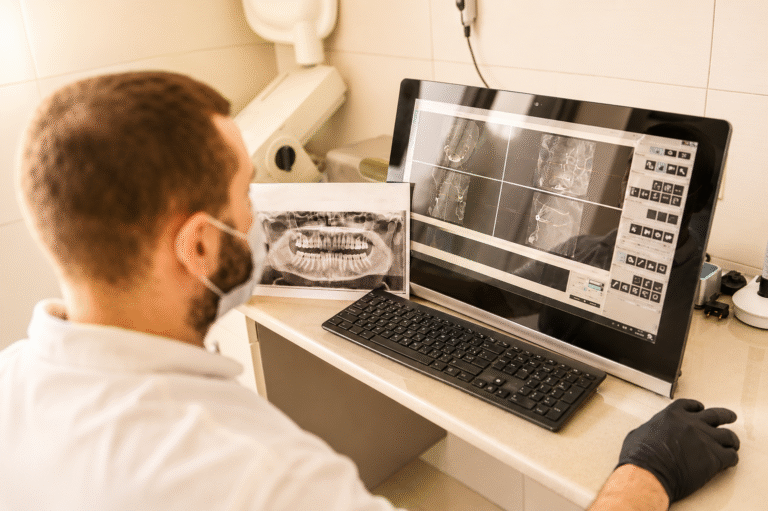


Most people think of a dental office as the place you go for a cleaning, a cavity, or the occasional toothache that refuses to settle down. That is part of the picture, but it is not the whole story. A skilled general dentist does far more than routine maintenance. In day-to-day practice, general dentistry sits at the center of oral health care. It is where prevention starts, where early warning signs are caught, and where many common problems are treated before they turn into larger, more expensive issues.
That central role matters. Patients often assume they need a specialist for anything beyond a basic filling, when in fact a general dentist can handle a wide range of services with precision and efficiency. From preventive care to restorative treatment, cosmetic improvements, urgent pain relief, and long-term monitoring, a general dental office is often the most practical and consistent source of care for individuals and families alike.
The best way to understand the value of a general dentist is to look at the services most commonly offered and why each one matters in real clinical life.
Preventive care is still the backbone of dentistry
If you ask experienced dentists which services make the biggest difference over a lifetime, preventive care usually comes first. It is not the flashiest part of dentistry, but it saves more teeth, more money, and more discomfort than any dramatic procedure ever could.
Routine dental exams are about much more than checking for cavities. A thorough exam gives the dentist a chance to evaluate gum health, spot early enamel wear, assess the condition of old fillings or crowns, look for bite problems, and examine the soft tissues of the mouth. Many issues develop quietly. A cracked filling may not hurt at first. Early gum disease may only show up as bleeding when brushing. A suspicious sore may seem harmless to a patient but stand out immediately to a trained eye.
Professional cleanings are another core service. Even patients with excellent brushing habits accumulate tartar in places a toothbrush and floss cannot fully manage. Once plaque hardens, it needs professional instruments to remove it safely. Cleanings also help reduce gum inflammation and give the hygienist and dentist a closer view of areas that may need monitoring.
X-rays often become part of preventive care as well, especially when symptoms are unclear or when the dentist needs to evaluate areas below the surface. Bitewing X-rays can reveal decay between teeth long before it becomes visible to the naked eye. A panoramic image can help assess wisdom teeth, bone levels, and other broader concerns. The goal is not to take images unnecessarily, but to use them thoughtfully when they improve diagnosis.
For children, preventive care often includes fluoride applications and sealants. Sealants are especially useful on the chewing surfaces of molars, where deep grooves tend to trap food and bacteria. In practice, this simple step can significantly reduce decay risk in cavity-prone areas. Fluoride treatments, meanwhile, strengthen enamel and are helpful for both children and adults who have elevated cavity risk.
A good general dentist also uses preventive visits to coach patients. That advice is rarely one-size-fits-all. Someone with dry mouth from medication needs a different strategy than a teenager with orthodontic brackets or an older adult with exposed root surfaces. The most effective preventive care is tailored, practical, and realistic enough that patients can follow it at home.
Fillings and cavity treatment remain everyday essentials
Tooth decay is still one of the most common oral health problems across all age groups. Even with better awareness and better products than in past decades, cavities remain routine in general practice. That makes fillings one of the top services offered by a general dentist.
Modern fillings are often tooth-colored composite materials that blend naturally with the tooth. Patients usually prefer them for appearance, but they also allow for conservative treatment in many cases. When decay is caught early, a dentist can often remove the damaged portion of the tooth and restore it with a filling that preserves most of the natural structure.
Timing makes a major difference here. A small cavity treated promptly may need a simple filling and a relatively short appointment. Leave the same cavity untreated for a year or two, and the tooth may require a crown or root canal, or in severe cases become non-restorable. This is one of the clearest examples of how preventive care and restorative care intersect.
Not every decayed tooth presents with pain. In fact, some of the deepest cavities I have seen described by clinicians in practice caused little or no discomfort until the damage was extensive. Patients are often surprised by that. They expect pain to act as an alarm, but teeth do not always cooperate that way. By the time sharp pain appears, the decay may be close to the nerve.
General dentists also evaluate whether an older filling needs replacement. Fillings do not last forever. They can chip, wear down, leak around the edges, or crack under chewing stress. Replacing a failing filling at the right time can prevent a more complex repair later.
Gum disease treatment is more important than many patients realize
Ask a general dentist what condition gets overlooked most often, and gum disease usually ranks near the top. Many patients focus on teeth and ignore the supporting structures that keep those teeth in place. Healthy gums and healthy bone are not optional. Without them, even cavity-free teeth are at risk.
Early gum disease, often called gingivitis, may show up as redness, swelling, or bleeding during brushing and flossing. At this stage, the condition is usually reversible with professional cleaning and improved home care. Once it progresses to periodontitis, the stakes rise. Bone loss can begin, gum pockets deepen, and teeth may become loose over time.
General dentists commonly diagnose and manage mild to moderate gum disease, often with deep cleanings known as scaling and root planing. This process removes plaque and tartar from below the gumline and smooths the root surfaces to help the tissue heal and reattach. Follow-up maintenance visits are often necessary because https://penzu.com/p/2fcefbc8cac8e214 gum disease is chronic for many patients, not a one-time event.
This is one area where clear communication matters. Patients sometimes hear the phrase “deep cleaning” and assume it is just a more expensive version of a regular cleaning. It is not. It is a different service for a different problem. Regular cleanings maintain healthy gums. Scaling and root planing treats disease that has already developed.
Risk factors also vary. Smoking, diabetes, dry mouth, hormonal changes, genetics, and inconsistent home care can all contribute. A seasoned general dentist looks at the full picture rather than blaming every gum problem on poor brushing. That broader perspective usually leads to better long-term results.
Crowns, bridges, and repairs for damaged teeth
Not every tooth can be restored with a filling. When a tooth is significantly weakened by decay, fracture, or large older restorations, a crown may be the better choice. Crowns cover and protect the remaining tooth structure, restoring function while reducing the risk of further breakage.
This is one of the most common restorative services a general dentist provides. Crowns are often used after root canal treatment, on cracked teeth, or on teeth with large fillings that no longer provide enough strength. Materials vary, and the right choice depends on location, bite forces, cosmetic concerns, and budget. Porcelain and ceramic crowns are popular for visible teeth because they can look very natural. In other situations, strength may be the top priority.
Bridges are another common service when one or more teeth are missing. A traditional bridge uses the neighboring teeth as anchors to support a replacement tooth in the gap. While implants have become increasingly common, bridges still have a place, especially when patients want a fixed solution without surgery or when adjacent teeth already need crowns.
General dentists also manage chipped teeth, worn edges, and minor fractures. Sometimes bonding is enough. Sometimes the solution is a crown. Judgment matters here. Over-treating a minor cosmetic flaw with a full crown can remove more tooth structure than necessary. Under-treating a heavily stressed tooth can lead to repeated repairs and frustration. Good general dentistry is often about choosing the least invasive treatment that will actually hold up.
Root canal treatment can save natural teeth
Few dental services trigger more anxiety than root canal therapy, mostly because of old stories and outdated assumptions. In reality, modern root canal treatment is typically straightforward, localized, and far less dramatic than patients expect. For many teeth, a general dentist can provide this treatment in-office.
A root canal becomes necessary when the pulp inside the tooth becomes inflamed or infected, often due to deep decay, a crack, trauma, or repeated dental procedures. Common signs include lingering sensitivity to hot or cold, pain when biting, swelling, or spontaneous throbbing. That said, some infected teeth cause minimal symptoms, which is one reason regular exams matter.
The purpose of the treatment is to remove the diseased tissue, disinfect the internal canals, and seal the space to prevent reinfection. In many cases, the tooth is then restored with a crown because a root canal-treated tooth can become more brittle over time.
There are cases that a general dentist may refer to an endodontist, especially when canal anatomy is unusually complex, retreatment is needed, or the infection is difficult to access. Referral is not a sign of failure. It is a sign of sound clinical judgment. One of the marks of a strong general dentist is knowing when a case falls comfortably within routine care and when specialist support will give the patient the best outcome.
Tooth extractions and practical treatment planning
Even with good dentistry, some teeth cannot be saved. Severe decay below the gumline, advanced bone loss, vertical root fractures, impacted teeth, or failed restorations can make extraction the most sensible option. General dentists commonly perform straightforward extractions and help patients understand what comes next.
This is often a difficult conversation because many patients understandably want to keep every natural tooth if possible. A good dentist respects that instinct while also being honest. Saving a tooth should not become an endless cycle of procedures if the prognosis is poor. Sometimes the more conservative choice in the long run is to remove the tooth and plan for replacement.
Wisdom tooth evaluation is often part of general practice too. Some wisdom teeth erupt normally and cause no trouble. Others remain impacted, trap food, contribute to gum inflammation, or press awkwardly against neighboring teeth. A general dentist may monitor them, remove simple cases, or refer more complex surgical extractions to an oral surgeon.
What matters most is that extraction is not treated as an isolated event. The missing tooth affects chewing, spacing, and sometimes speech or confidence. That is why treatment planning after an extraction matters just as much as the procedure itself.
Replacing missing teeth with functional options
One of the most valuable services a general dentist offers is helping patients replace missing teeth in a way that fits both their clinical needs and their lives. There is no universal best choice. Age, health history, jawbone condition, budget, appearance goals, and tolerance for treatment time all factor in.
Dental implants are now a leading option for single-tooth replacement and, in some cases, for multiple missing teeth. Some general dentists place implants themselves, while others restore implants after placement by a specialist. Either way, the general dentist often coordinates the entire process and helps determine whether implants are appropriate.
Dentures remain a vital service as well, especially for patients missing many or all teeth. Well-made dentures can restore function and appearance, but expectations need to be realistic. Upper dentures often adapt more easily than lower dentures because of anatomy and stability. Implant-supported dentures can greatly improve retention for some patients, though cost and surgical candidacy must be considered.
Partial dentures, bridges, and implant restorations all have a place. The best general dentist does not push one option reflexively. Instead, the discussion usually sounds more like this: here is what will last longest, here is what costs less upfront, here is what asks the least of the surrounding teeth, and here is what maintenance will look like over the next several years.
Cosmetic services often overlap with health and function
Cosmetic dentistry is sometimes treated as a separate category, but in real practice it often overlaps with restorative and preventive care. Patients may come in asking for whiter teeth and leave having discovered a cracked filling, worn enamel, or gum recession that needs attention first.
Teeth whitening is one of the most requested cosmetic services in a general dental office. Professional whitening tends to be safer, more predictable, and more effective than many store-bought products, particularly for patients with sensitive teeth or uneven staining. A dentist can also determine whether the discoloration is likely to respond to whitening at all. Some stains are internal, some are related to old restorations, and some need a different solution entirely.
Bonding is another common service for small cosmetic improvements. It can reshape a chipped edge, close a minor gap, or disguise localized discoloration. It is usually less invasive and less expensive than veneers, though it may stain or wear over time and may not be ideal for heavy bite pressure.
Some general dentists also offer veneers, contouring, and smile design planning. The better ones approach cosmetic work with restraint. A natural-looking result usually comes from respecting facial proportions, tooth function, speech patterns, and gum symmetry, not from making every tooth uniformly bright and identical.
Emergency dental care brings immediate value
One of the clearest signs of a dependable general dentist is the ability to provide emergency care. Dental pain has a way of disrupting everything. It affects sleep, concentration, appetite, and work. Patients who can manage a sprained ankle for days often find that a severe toothache sends them searching for help within hours.
Emergency dental services commonly include treating toothaches, draining localized infections, repairing broken teeth, recementing crowns, managing swelling, and addressing trauma after falls or sports injuries. Not every office can offer same-day treatment for every problem, but most general dental practices reserve space for urgent cases because they are so common.
A cracked tooth is a good example of where experience matters. The symptoms can be inconsistent. Pain may appear only when chewing or only when releasing pressure. The crack may not show clearly on an X-ray. A careful exam, a bite test, and a review of the patient’s history often provide the clues. Sometimes the answer is a crown. Sometimes it is a root canal. Sometimes the crack is too deep to save the tooth. Emergency visits often involve this kind of fast but nuanced judgment.
Oral cancer screenings and whole-mouth observation
One service patients may not always notice, but absolutely benefit from, is oral cancer screening. During routine exams, a general dentist checks the lips, tongue, cheeks, floor of the mouth, palate, and throat area for abnormalities such as persistent sores, unusual patches, lumps, or tissue changes.
These screenings are quick, but they matter. Oral cancer can be difficult for patients to detect on their own, especially in areas they rarely see. Dentists are often among the first clinicians to identify suspicious lesions and refer patients for further evaluation. Smokers, heavy alcohol users, and patients with certain viral risk factors may face higher risk, but screening is important for everyone.
More broadly, a general dentist acts as an observer of patterns over time. They notice when gum recession accelerates, when grinding begins to wear enamel, when old work starts to fail, or when a patient’s dry mouth appears to worsen after a medication change. That continuity is one of the quiet strengths of general practice.
The family factor and continuity of care
One reason people value a general dentist is convenience, but continuity is just as important. A practice that sees children, parents, and older adults gains a long view of oral health within families and across life stages. The concerns of a seven-year-old with erupting molars differ from those of a college student with wisdom tooth pain, a parent postponing needed crown work, or a retiree managing dry mouth and worn restorations. A general dentist is trained to navigate all of those transitions.
There is practical value in that relationship. A dentist who has followed a patient for years can compare old X-rays, track changes in bite wear, monitor recurring weak spots, and recognize habits that affect treatment planning. They know who struggles with numbing, who clenches at night, who needs shorter appointments due to anxiety, and who tends to postpone care until something breaks. Those details shape better dentistry.
When patients ask what service matters most, the honest answer is that no single procedure stands alone. Cleanings support gum health. Exams catch decay early. Fillings prevent crowns. Crowns protect root canal-treated teeth. Extractions sometimes pave the way for better long-term function. Cosmetic work often improves confidence, but it works best when the underlying health is solid. The general dentist connects all of it.
That is why the top services offered by a general dentist are best understood not as isolated procedures, but as part of a continuing system of care. Good general dentistry is practical, preventive, restorative, and responsive. It solves immediate problems while keeping an eye on the next five or ten years. For most patients, that kind of steady, capable care is what keeps small issues small and healthy smiles durable.
Smyle Dental Newhall
Address: 23754 Newhall Ave, Santa Clarita, CA 91321
Phone number: +16612559200
FAQ About General dentist
What does it mean by general dentist?
A general dentist is your primary dental care provider. They focus on the overall prevention, diagnosis, and treatment of your daily oral health needs. Think of them as your primary care doctor, but for your teeth and gums.
What is the difference between a dentist and a general dentist?
A dentist is a broad professional title for any licensed oral healthcare provider, while a general dentist is a specific type of primary care dentist who focuses on routine, preventive, and everyday treatments.
What is the difference between a dentistry practitioner and a dentist?
A dentist is a licensed doctoral-level healthcare professional, whereas a dental practitioner is a broader umbrella term that can include dentists as well as other trained oral health professionals.